
Managing Minnesota’s Forests for Multiple Values
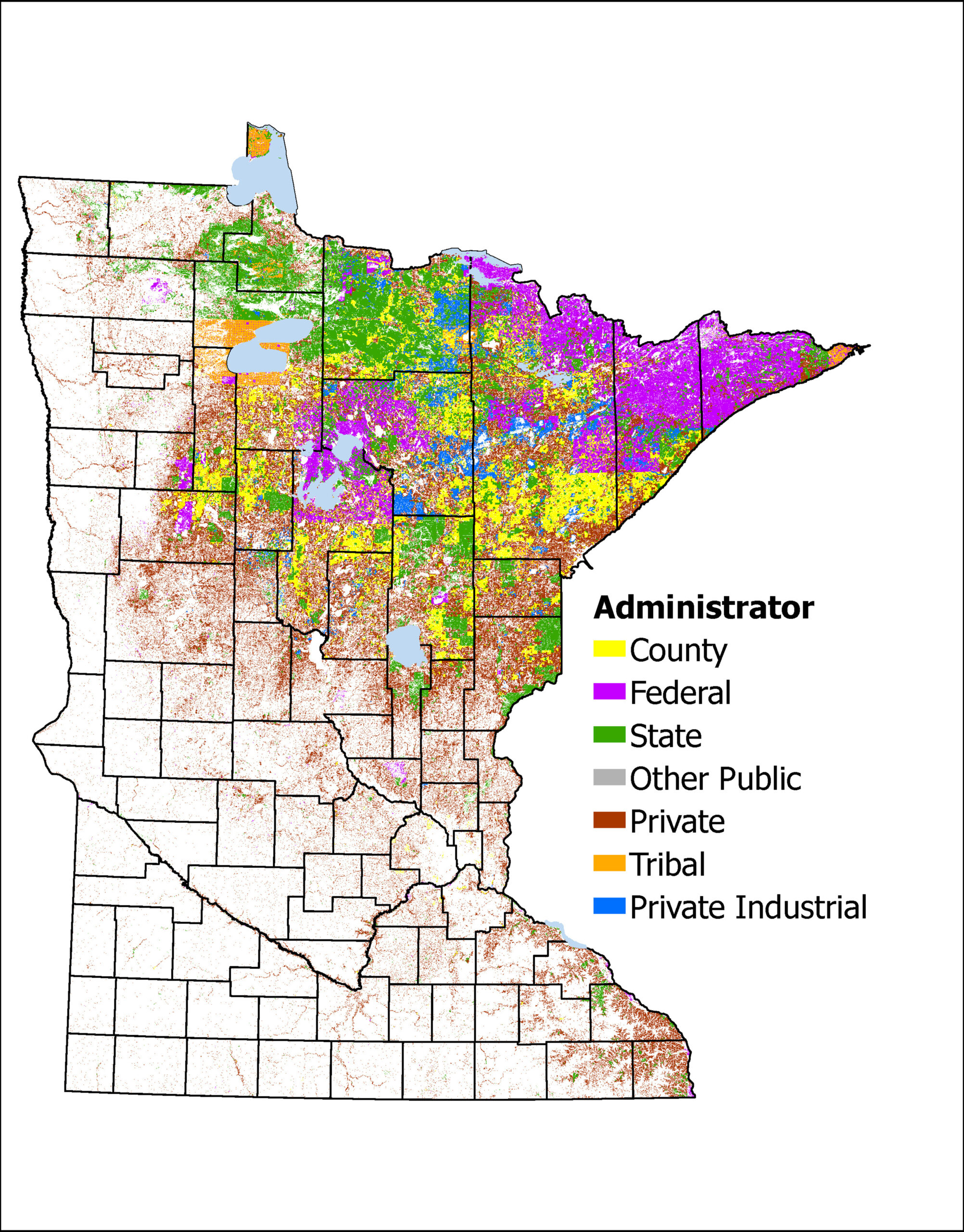
Forests across the United States are cared for by a mix of people and organizations. Tribal Nations, federal agencies, state departments, and private landowners. It takes all of them to work together to keep forests healthy and resilient.
In Minnesota, that work comes to life across 17 million acres of forestland. Of that, more than 4.2 million acres, including 60 state forests, are managed by the Minnesota Department of Natural Resources (MN DNR). Their job is not just to oversee forests, but to manage forests for multiple values that benefit people, wildlife, and the environment all at once.
Because forests are more than what we see on the surface.
They provide clean water, wildlife habitat, outdoor recreation, wood products we use every day, and long-term carbon storage. Keeping all those benefits in balance takes intentional and active management. The MN DNR takes this seriously, as evidenced by the over 4 million acres certified as “well managed” by the Forest Stewardship Council and the Sustainable Forest Initiative. The agency is the largest single FSC-certified land manager in the U.S.
“Healthy forests don’t happen by accident,” said DNR Forestry’s utilization and marketing consultant Jeremy Fauskee. “They depend on active management and strong markets for sustainably harvested wood.”
Why Forest Management Is Not Optional
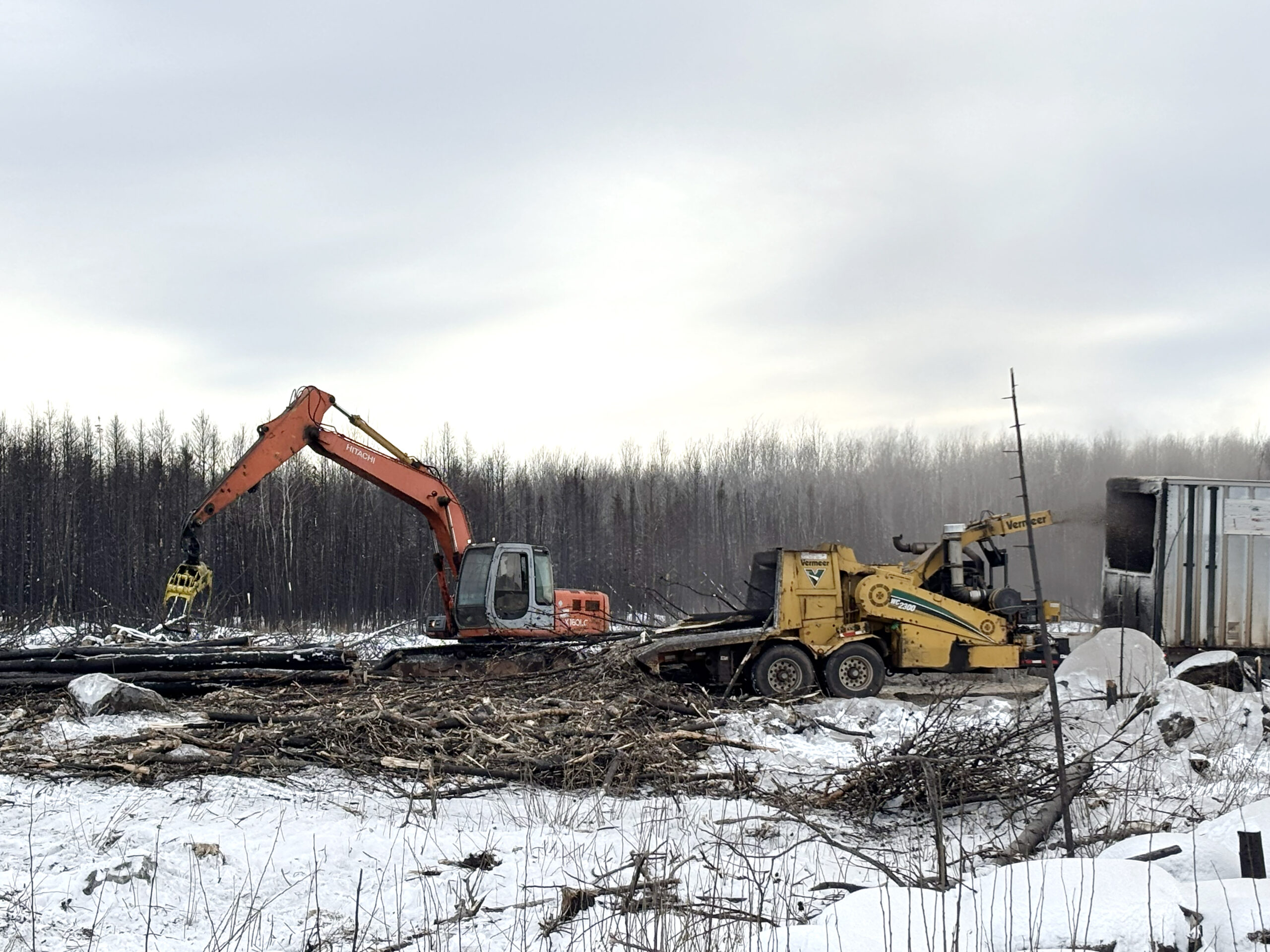
When people hear “tree harvesting,” it can raise questions. But in Minnesota, harvesting is not about removing forests; it is about renewing them. Thoughtfully planned timber harvests help: regenerate young forests, create and maintain wildlife habitat, reduce wildfire risk, and improve overall forest health.
It is also one of the most important tools that foresters must use to respond to challenges such as invasive pests and disease. But here is where it gets complicated. Forest management and wood markets depend on each other. You cannot have one without the other.
If there is no market for wood, it becomes harder to carry out the very management activities that keep forests healthy in the first place.
When Forest Health Meets Market Reality
Minnesota’s forests are facing several major challenges, and each one shows how closely forest health and markets are connected.
The emerald ash borer (EAB) is steadily spreading across the state, killing all native ash species. While most ash forests in Minnesota are still uninfected, the risk is growing.
The DNR manages about 17 percent of the state’s wet forests dominated by ash. Their goal is to keep those forests intact by increasing species diversity and maintaining ecological function.
But there is a catch. There is currently low market demand for ash wood, which makes it harder to remove vulnerable trees and transition forests before EAB arrives. Without that market, proactive management becomes more difficult.
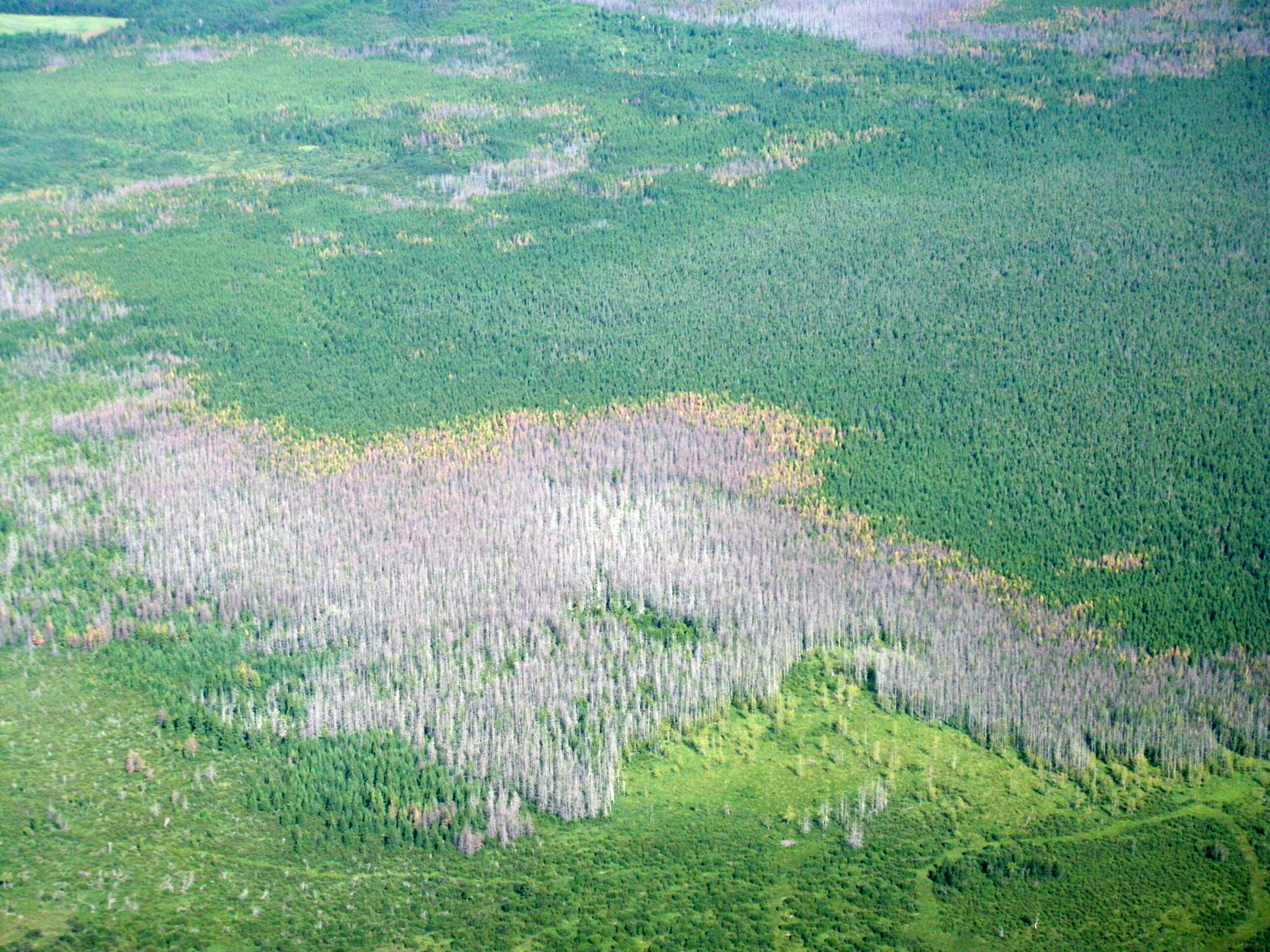
In northern Minnesota, another challenge has been unfolding for decades. The eastern larch beetle has impacted more than 1.2 million acres of tamarack forest since 2001, an outbreak longer than any ever recorded. But even with all these challenges, there is also a story of opportunity here.
Minnesota is home to more tamarack than any other state in the lower 48, and that resource is supporting innovative uses. A company called Lonza produces ResistAid, an immune health product made from tamarack, right here in Minnesota.
It is a powerful example of how markets can support forest management, creating demand for a species while helping forests recover and regenerate. In areas where harvesting has occurred, stands are already growing healthier.
To the northeast, spruce budworm outbreaks have affected 1.4 million acres between 2021 and 2025. The damage goes beyond tree loss. Dead and weakened trees increase wildfire risk, contribute to erosion, and make it harder for foresters to diversify species.
In fact, some recent large wildfires in Minnesota have burned through areas previously impacted by spruce budworms, burning hotter and spreading faster because of those conditions.
Once again, markets play a role. Low demand for balsam fir and white spruce in northeast Minnesota limits the ability to actively manage these forests and reduce risk at scale.
The Big Picture: A Connected System
If there is one takeaway from Minnesota’s forests, it is this: forest management is a system, not a single action. Healthy forests rely on science-based management, diverse wood markets, skilled forestry professionals, and public understanding of why this work matters.
When one piece is missing, the whole system feels it.
What This Means for All of Us
The forests of Minnesota may feel far away to some, but the impact of this work is not. The wood products we use, the clean water we depend on, and the outdoor spaces we enjoy, are all connected to how forests are managed.
And behind that management are people - foresters, loggers, researchers, and industry partners - working together to ensure forests continue to provide for generations to come. Because at the end of the day, healthy forests do not just happen. They are built, supported, and sustained by people, by markets, and by a shared commitment to doing the work.