
Your Next Hike Could Help Shape the Future of Forests
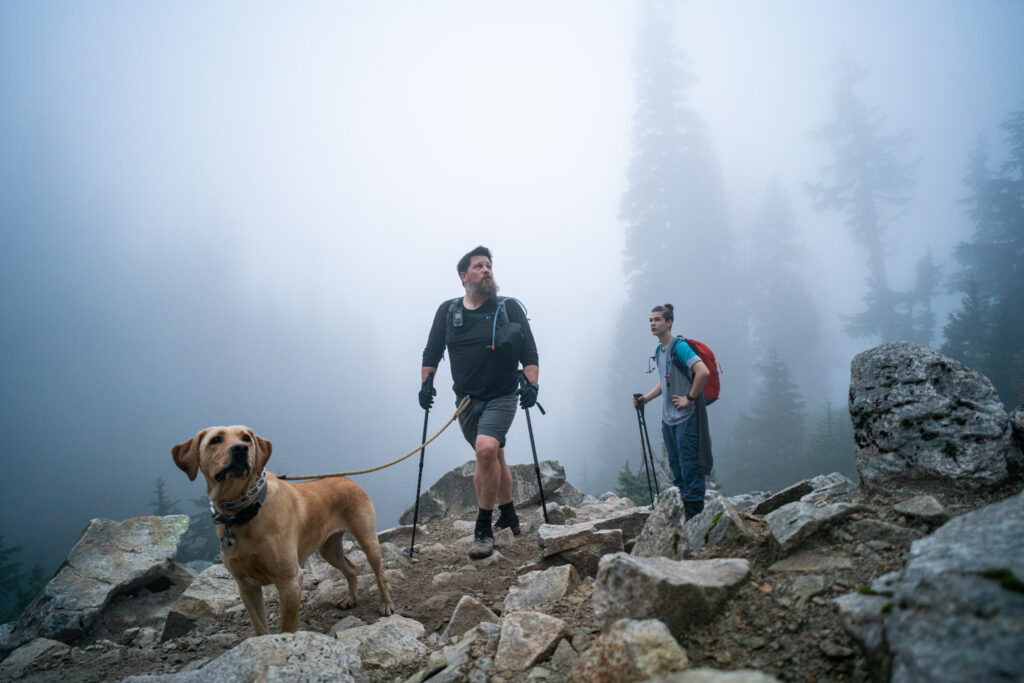
Picture this: you're hiking through your favorite forest trail. You're soaking in the beauty around you: dew glistening on pine needles, birds singing overhead, sunlight filtering through the canopy. What if that same hike could also help scientists protect and restore forests for generations to come?
At #forestproud, we believe forests connect all of us. Whether you work in forestry, hike local trails, paddle rivers, hunt, fish, birdwatch, mountain bike, or simply enjoy spending time outdoors, you have a role to play in the future of forests.
Organizations like Adventure Scientists® show that stewardship doesn't only happen in a forestry office or out on a timber sale. It can happen on a hiking trail, too. By training outdoor recreationists to collect scientific data, Adventure Scientists is turning everyday adventures into stewardship efforts.
Supporting Forests Hands On
America's forests cover hundreds of millions of acres, providing wildlife habitats, clean water, wood products, recreation opportunities, and many other benefits. Understanding forest health requires high-quality field data, but gathering that information across such a large landscape is a challenge.
Adventure Scientists help bridge that gap. The volunteer-driven nonprofit mobilizes and trains outdoor enthusiasts to collect critical data for researchers, universities, conservation organizations, and land management agencies. Their projects focus on collecting hard-to-reach data across landscapes that would be difficult to cover through traditional methods alone.
Hikers gathering data turns time spent outdoors into an opportunity to support the forests we all care about and turns recreational forest goers into citizen scientists.
Many Eyes, Many Trails, Many Local Observations
Foresters and land managers rely on accurate field information to make informed decisions about restoration, reforestation, and long-term forest stewardship. The challenge is that forests are vast, and gathering data across entire landscapes takes time, resources, and people. That's where volunteers make a difference.
Adventure Scientists trains participants using standardized protocols and quality assurance measures so the information they collect can support research and management decisions. Volunteers help gather data that would be difficult or costly to collect through traditional approaches alone.
This model shows something important: forests depend on more than forestry professionals. They’re shaped by engaged communities, outdoor enthusiasts, researchers, land managers, students, and everyday people who care about the places they visit. At #forestproud, we call that speaking forests.
Everyone experiences forests differently, but we all have a stake in their future. Whether you're collecting data on a remote trail, sharing forest stories with your community, or supporting stewardship efforts in your local area, you're helping contribute to the future of forests.
Finding the Trees That Hold Clues to the Future
While some trees struggle against disease, insects, and other stressors, others continue to stand strong. Finding today’s resilient trees helps researchers and land managers make informed decisions to support the forests of tomorrow.
Saving American Beech
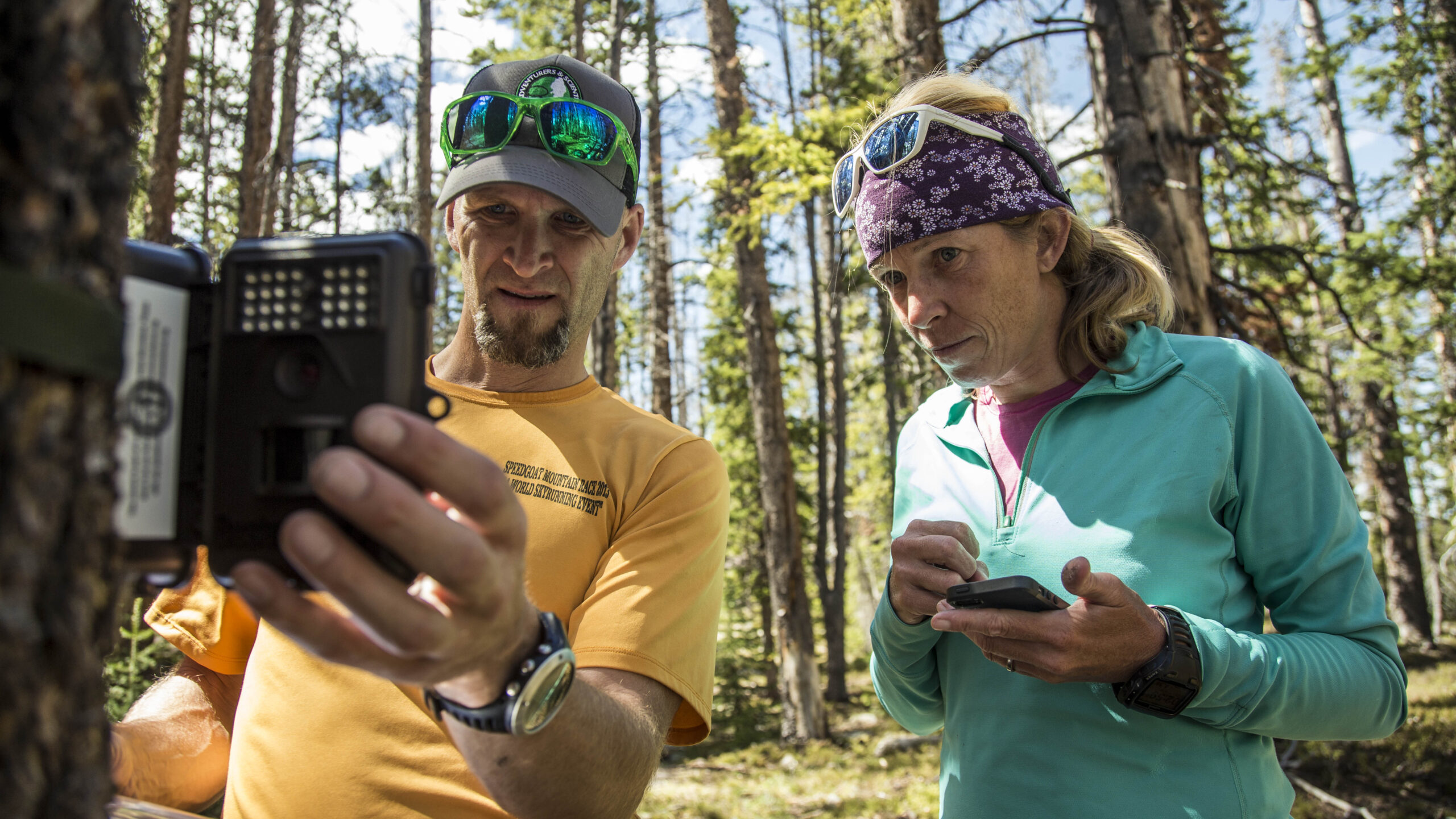
American beech is one of the most recognizable tree species across much of the eastern United States. It provides important wildlife habitats and plays a key role in forest ecosystems. Unfortunately, healthy beech trees are becoming increasingly difficult to find as the species faces threats from beech bark disease, beech leaf disease, and other stressors.
To help address this challenge, Adventure Scientists is partnering with the University of Connecticut to identify healthy beech trees that may carry disease-resistant genetics. Volunteers are trained to assess tree health and collect leaf samples that support DNA analysis and forest genomics research.
Because beech genetics can vary across regions, volunteers are collecting data across 17 states: Alabama, Arkansas, the Florida panhandle, Indiana, Georgia, Kentucky, Louisiana, Michigan, Mississippi, Pennsylvania, South Carolina, Tennessee, eastern Texas, eastern Wisconsin, and West Virginia. Those observations help researchers better understand which trees may contribute to future restoration and reforestation efforts.
Learn more or get involved in the American beech project.
Restoring Butternut Trees
The butternut tree is naturally uncommon throughout eastern forests, but its numbers have declined dramatically due to butternut canker, a lethal disease affecting the species.
Despite these challenges, some trees continue to survive. Researchers believe these individuals may hold important clues about disease resistance.
Adventure Scientists partners with the Morton Arboretum and Purdue University to locate remaining butternut trees, assess their health, and collect samples that support ongoing research. Volunteers help search for known and newly identified trees, often exploring stream corridors and rocky hillsides where butternut is most likely to be found.
This isn’t just about one species. It’s about learning from the trees that are still standing -- so researchers can better understand what resilience looks like and how that knowledge can support future restoration work.
Explore how volunteers are helping restore butternut trees.
Tracking Whitebark Pine
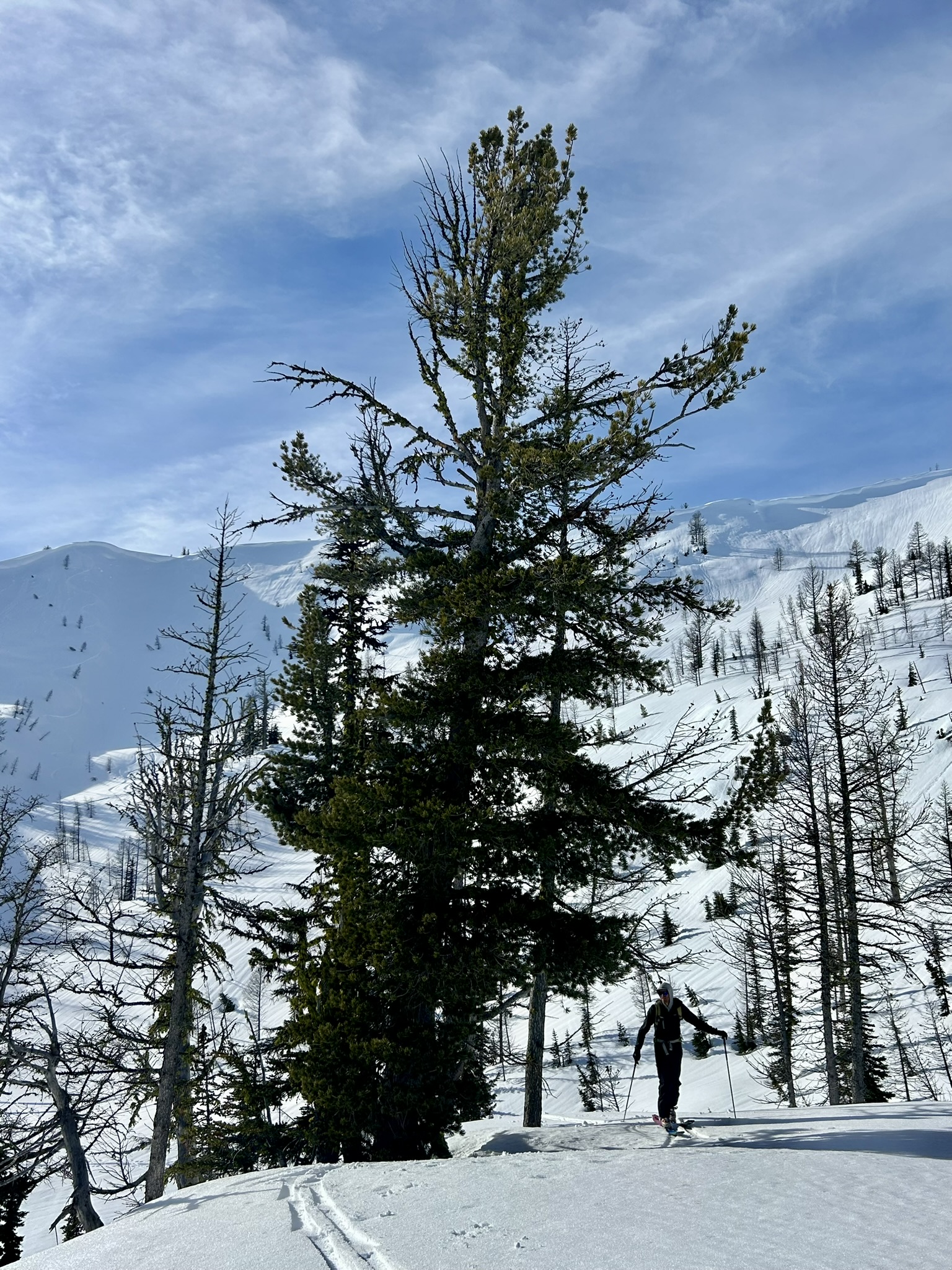
Far from eastern hardwood forests, whitebark pine plays a critical role in high-elevation ecosystems across the Pacific Northwest. The species helps stabilize slopes, regulates snowpack, and provides wildlife habitats.
Today, whitebark pine faces multiple threats, including increasingly intense wildfires, white pine blister rust, mountain pine beetles, and changing environmental conditions.
Adventure Scientists and the Whitebark Pine Ecosystem Foundation are working together to build a cross-agency database that supports conservation and restoration efforts. Volunteers document tree locations, assess tree condition, map populations using GPS, and identify trees for future research and cone collection.
Each observation adds to a clearer picture of where whitebark pine still survives and where it may need the most support in the future.
See how Adventure Scientists is mapping whitebark pine health.
Turn Your Next Adventure Into Stewardship
Healthy forests don’t happen by accident. They depend on science, stewardship, and people who care enough to get involved.
Through Adventure Scientists, outdoor recreationists help researchers identify resilient trees, support restoration efforts, and gather the data needed to guide future forest management decisions. Every hike, trail run, paddle, or backcountry trip is a chance to contribute.
At #forestproud, we believe forests aren’t just shaped by foresters. They’re shaped by everyone who spends time in them: -- hikers, paddlers, birdwatchers, students, and community members alike.
If you’re looking for a way to give back to the forests you love, consider joining an Adventure Scientists project. Your next adventure could help shape the next generation of our forests.
Learn more about Adventure Scientists here and visit #forestproud to learn more about how you can be involved in your local forests.