
Private Forests are a Public Good
By Morgan Alexander-Mims
Years ago, when I was a student at Mississippi State University taking Dendrology, the study of trees, I realized something about forests that I had never paid much attention to before. Though the primary focus of the class was tree identification, such as being able to tell an oak from a maple—a skill that I admit I struggled with—we were also expected to understand the basic 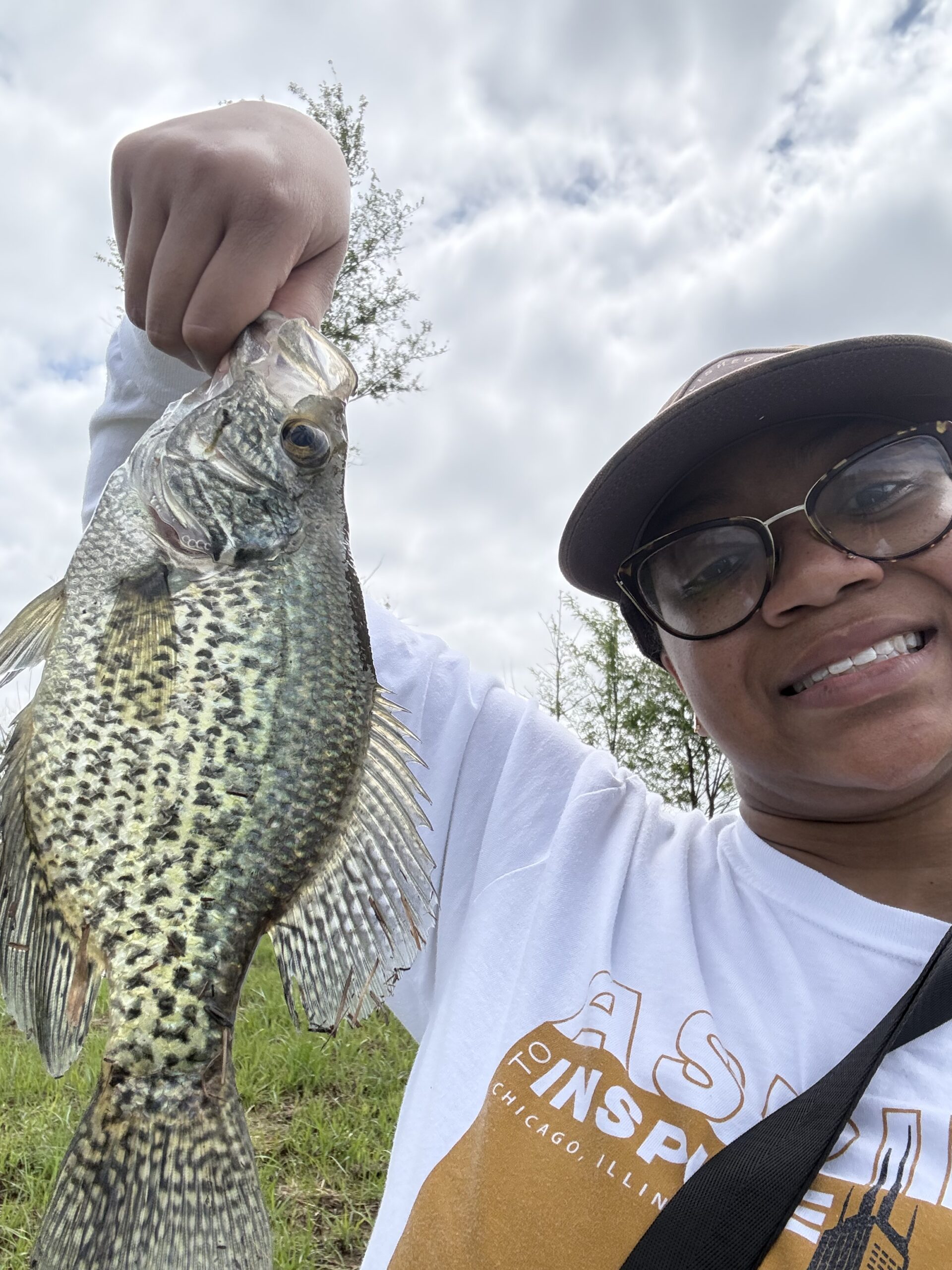 wildlife, ecological, and economic value of different tree species. By the end of that class, I was not only able to identify various tree species and recite scientific names as though it were a second language, but I had also gained an awareness of the ways in which trees and forests touch every part of our lives; and that not only did we need trees, but they needed us too.
That lesson shaped the way I see forests today. Whether you own forestland or live in the middle of a city, healthy private forests have an impact on your daily life. These benefits don’t happen by accident or chance; it takes intention, investment, and stewardship.
A Different Way to See the Forest
Our forests have played a significant role in our nation’s story. They are our oldest and most reliable protagonists. Behind these formidable characters are people, families, and communities who have supported us all through active management and care for their forests. More than half of the forests in the United States are owned by private forest landowners (National Association of State Foresters). Across generations and across the US, these landowners provide us with raw materials that support food, fuel, fiber and housing economies: the cornerstones of our daily lives. It is amazing to think of all the things that private forests provide when it is so easy to overlook their value. Private forests prove this value everyday by providing the material needed to build homes, power renewable energy, and support rural jobs (Forest Landowners Association). 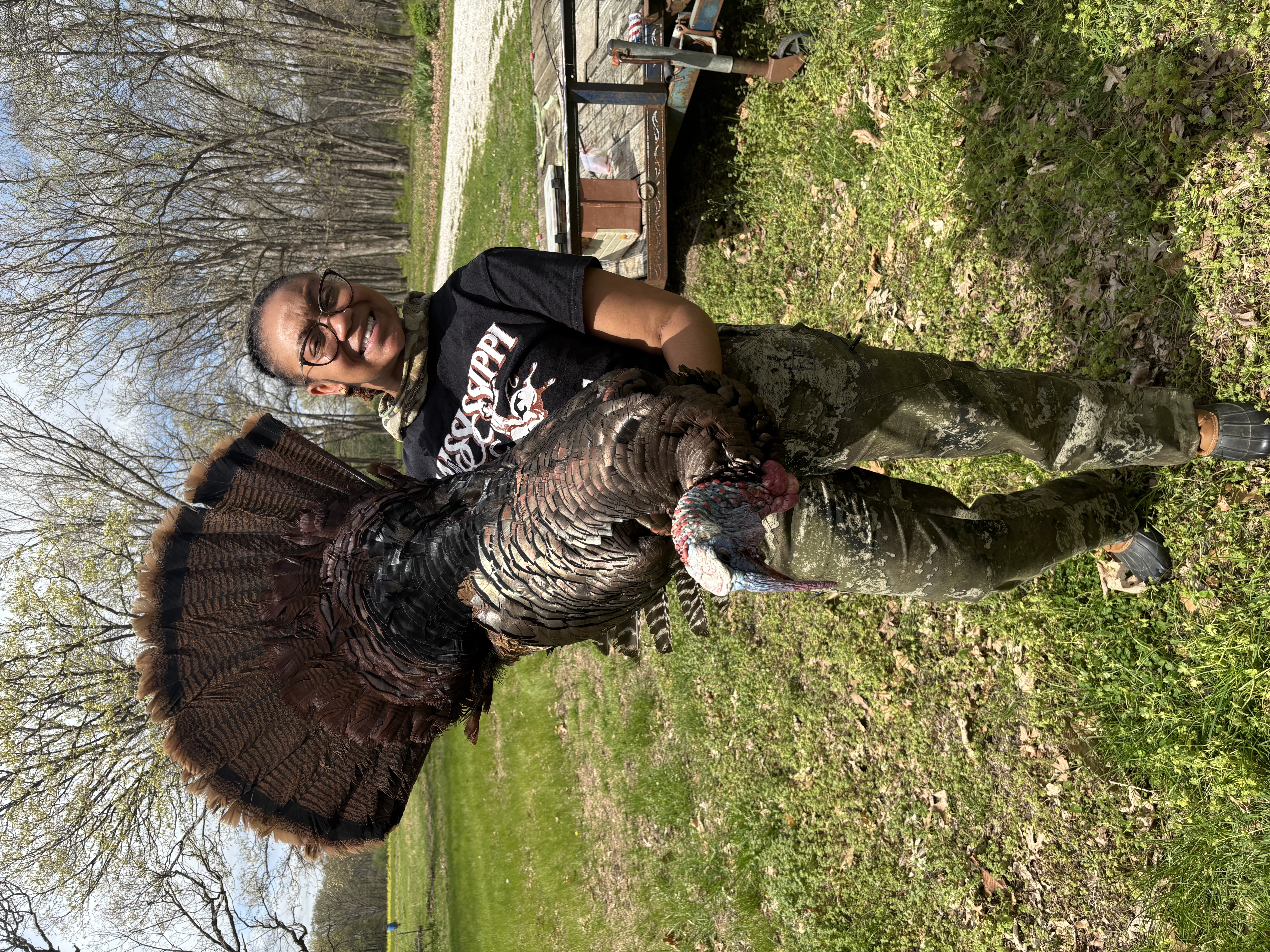
Private Forests Power Your Every Day
If you are not a forest landowner, you might be wondering how private forests benefit you. When you choose the paper over the plastic bag for your groceries at your local supermarket, when you drizzle maple syrup over your pancakes in the morning, when you order a cup of coffee while on your way to work, when you make a purchase at a bookstore or borrow from your local library, you are not only reaping the benefits of well-managed private forests, but you are ensuring that those forests remain forests. Private forests quietly support our everyday lives, providing us with goods and services that we do not often realize are products of those forests.
The benefits of managing private forests go beyond paper and packaging, and extend into wildlife habitat, opportunities for recreation, wildfire mitigation, and enhanced water and air quality. Private forests are responsible for purifying 25% of US water, sequestering millions of tons of carbon dioxide per year, protecting native wildlife, and supporting rural economies. (Forest Landowners Association). Healthy forests provide ample opportunities for recreation such as hunting, fishing, hiking, and wildlife watching, which generate more than $100 billion annually for local and state economies (Forest Landowners Association). Additionally, by employing millions of people and contributing $200 billion annually to the US economy, the forest products industry is a vital part of our economy and livelihood.
Maybe you are contemplating choosing paper over plastic at your local grocery store. Not only are you using renewable material when you choose paper over plastic at the checkout line, but you’re also supporting forest landowners, rural jobs, and communities. Utilizing products from working US forests is essential to securing the future of our private forests, the families that care for them, and the jobs that rely on them.
Keeping Forests as Forests
Though my Dendrology course only grazed the surface of the economic value of timber, it gave me a stronger understanding of how healthy forests depend on reliable markets, and how those markets provide not only the means for management, but also support rural jobs, communities, and conservation. For many landowners, timber sales are not their primary income or reason for owning forestland; however, financial strain is a leading cause of the conversion of that forestland to other land uses (Virginia Department of Forestry). When markets for wood products are strong and consistent, landowners have economic support; they are able to replant trees, remove invasive species, mitigate wildfire risk, provide wildlife habitat, and keep their forests as forests.
We All Have a Role
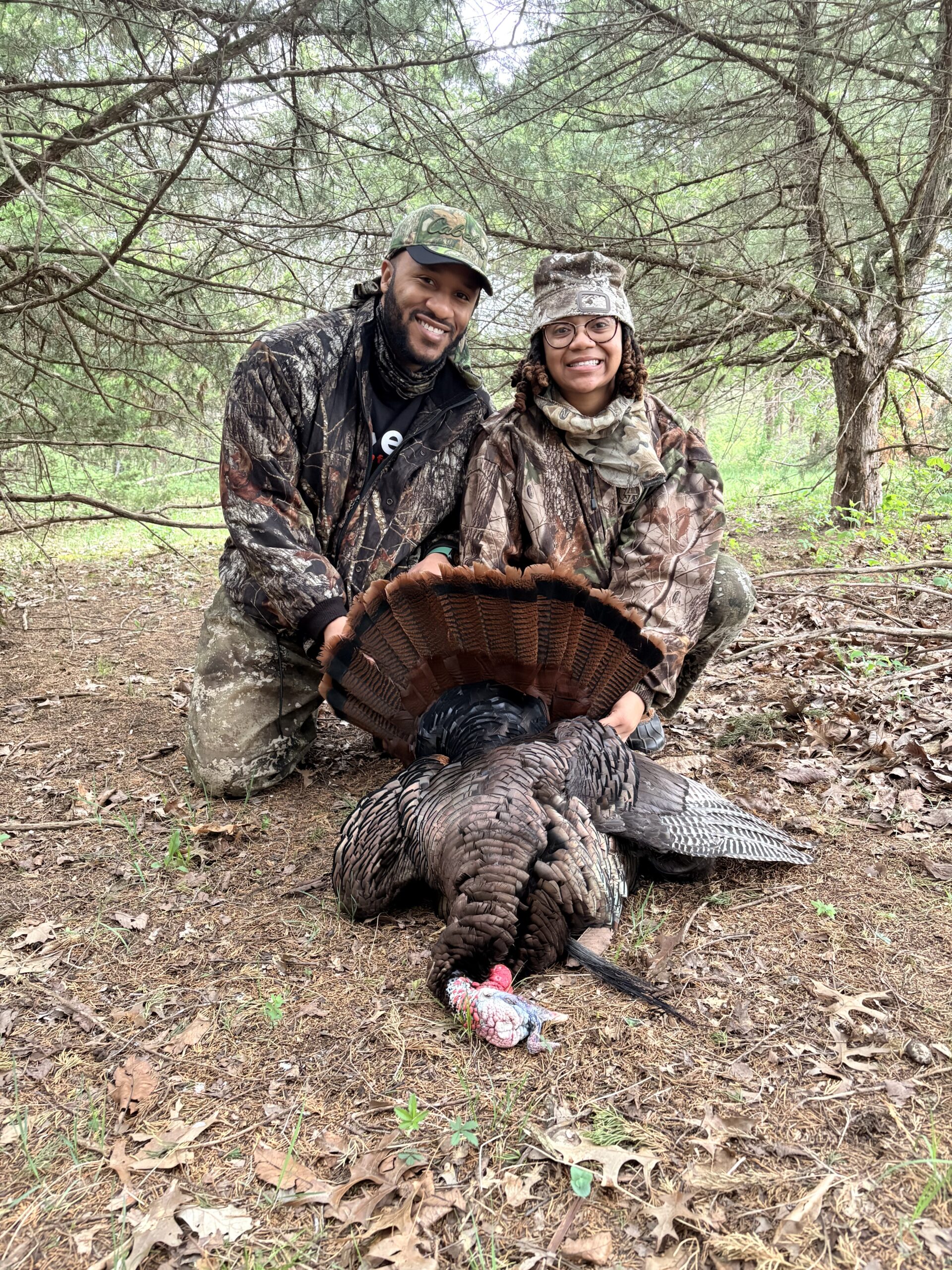 What I realized as a student all those years ago was that we can all be good stewards of the forest, whether we are landowners, forestry and natural resources professionals, or everyday citizens. What I understand now more than ever is that private forests are a public good. We hope you continue to follow along with this #forestproud and Forest Landowner Support (FLS) blog series, and the article series ( eForester articles) as we continue to highlight private forests, their role in our lives, and how we can all be good stewards. I learned that I did not have to own a forest to be an advocate for them, and that I could use my education to not only inform the way I see forests and their importance, but also to share that knowledge with others to help them become better stewards.
Interested in Forestry?
If you have a passion for forests, care about the natural world, and want to make an impact, consider a career in forestry/natural resources! To learn more about careers and accredited programs, check out our SAF College Guide!