
What Could This Wood Become?
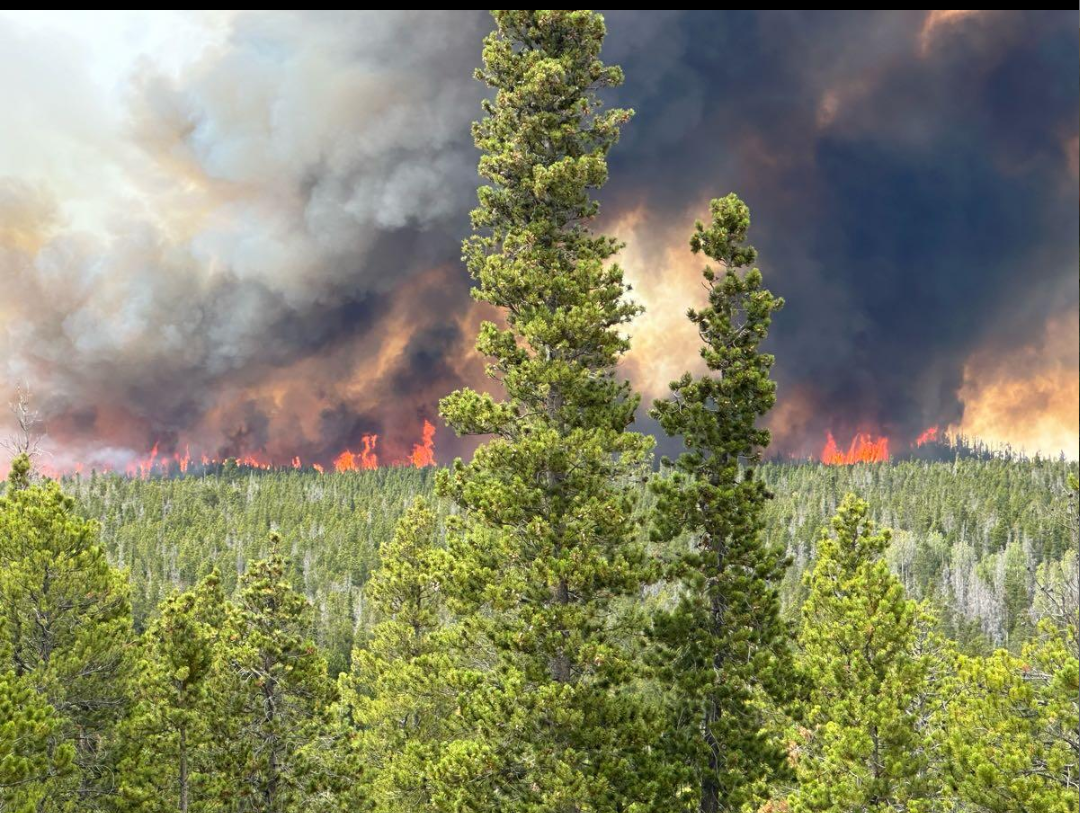 Across the country, people are feeling the effects of wildfire. Fires have forced evacuations, damaged homes, and sent smoke into communities far beyond the flames. For those living through it, wildfire isn't just something happening in the forest. The fires spreading across the country are drastically altering the way communities interact with their surrounding landscapes. From the air they breathe to the lands they recreate on, wildfires require everyone to navigate their day-to-day lives in a different way.
Firefighters will continue to respond when fires start, but there is also work we can do to prevent the severity and spread of wildfires in the future. Active forest management reduces hazardous fuels and improves forest health. Depending on the forest and what the land needs, that work can include thinning, removing small diameter trees, clearing dead and downed material, and other treatments.
But active forest management raises another question: What happens to all that wood once it leaves the forest?
The Next Chapter in a Tree’s Life
Forest management doesn’t end when a tree comes down. In many ways, that’s when another chapter begins. Larger, higher-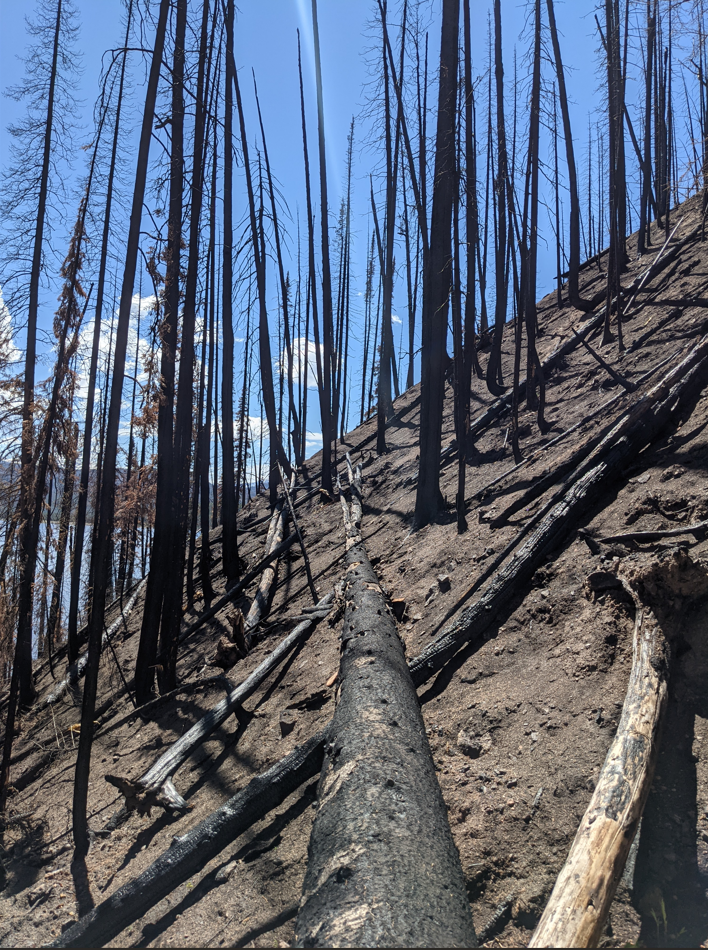 quality trees can become lumber and other wood products. Smaller trees, branches, and other woody material can be much harder to use. Some projects are also far from mills or other processing facilities, making transportation difficult and expensive.
That matters because forest management costs money. If there is no practical place for the material to go, moving the trees out of the forest and finding a use for the wood can add another challenge to an already complex project. This is where wood innovation comes in.
Biochar is one way to create a new use for some of that material. Biochar is made by heating biomass residues, often woody material, in a low-oxygen environment through a process called pyrolysis. Instead of simply burning the material, pyrolysis creates a stable, carbon-rich product that can be used in agriculture, stormwater management, construction, and other markets. Think of biochar like charcoal, but with a lot more possibilities beyond grilling.
For some forest management projects, that gives some of the smaller or lower-value material generated during a project another destination, meaning less of it will be burned. This gives wood another path forward.
Making More of What the Forest Provides
Carefully planned logistics from transportation to processing facilities make this management system work.
Research from Oregon State University is exploring ways to put low-value forest material to use while addressing some of these challenges. Their work highlights an important piece of the puzzle: it isn't enough to have technology that can process woody material. There also needs to be a reliable supply chain, a way to move it, and someone who can use the finished product.
That is one reason local and regional markets matter. When woody material is processed closer to where forest work is happening, transportation becomes more practical. Another piece of the puzzle falls into place when there are farms, restoration projects, or other customers nearby that can use the finished biochar.
The right answer will look different from one forest to the next. Having more options for forest materials can help make more projects possible.
Keeping Value Close to Home
Equally important to forest materials markets are the communities where forest management happens. When woody material is collected and processed locally or regionally, the opportunity doesn't stop with the finished product. People collect the material, operate the equipment, move and process it, and then use the finished product in farms, gardens, and local infrastructure.
This can create opportunities for local businesses and workers while helping forest managers find a practical path for material that might otherwise be expensive to handle. It’s a connection worth paying attention to: forest management creates material that becomes a valuable product, which can be used to benefit the local economy. Biochar is a strong example of how those pieces can connect in a waste-to-value loop.
Biochar is One Possibility
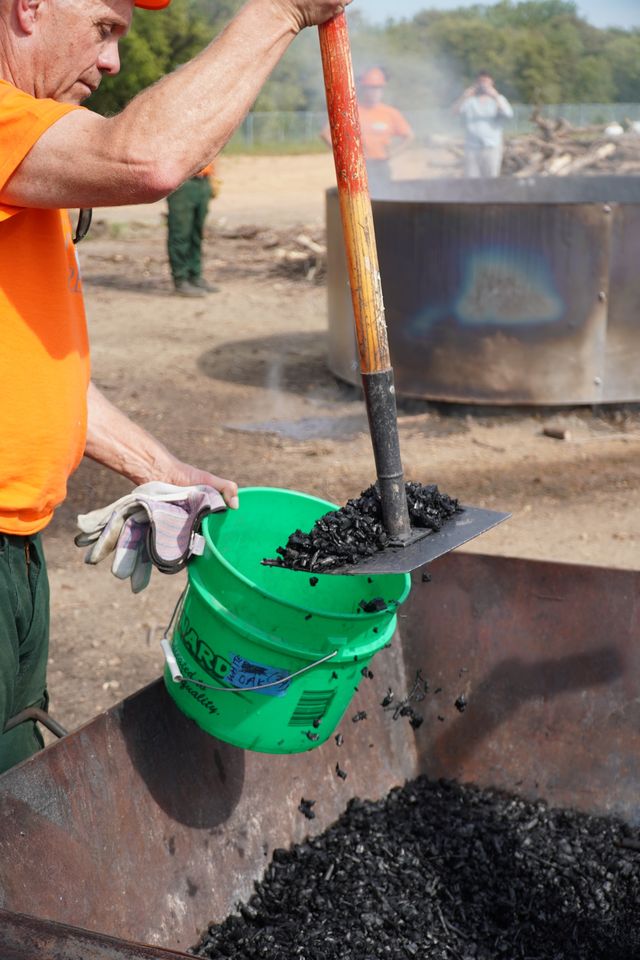
Biochar can be produced at different scales. Mobile systems are designed to process material closer to where forest work is happening, while larger, more industrial facilities process biomass at a centralized location. The best fit depends on the landscape, the amount and type of material available, the technology, and the markets nearby. In areas where waste wood is located far from processing facilities, mobile units are often the best solution.
Researchers and organizations across the West are exploring what those options look like in practice. The American Biochar Institute has highlighted projects that use forest materials for biochar production and lessons learned from bringing that work into the field.
That work is helping answer practical questions: What material works best? How can it be processed? Where can the produced biochar be best used? How can biochar fit into forest management and restoration projects?
There isn't just one answer for every forest or every forest management project. The goal isn't to find a use for every single piece of wood that comes out of the forest. It's about having more options when the right opportunity comes along, like biochar.
Biochar: Another Tool in the Toolbox
For biochar, the story doesn't end when it leaves the forest. Depending on how it is produced and what it is made from, biochar can be used as a soil amendment to improve soil health in regenerative agriculture, in ecosystem and landscape restoration projects, and in more urban applications like stormwater management. That creates another connection between forests and the communities around them, turning forest material into something that can deliver value in rural and urban environments.
Biochar isn't going to solve the wildfire challenge on its own. It isn't a way to stop a fire that is already burning, and it can't replace thoughtful forest management. Instead, it is a tool that can help manage biomass waste that is generated by fire mitigation restoration work, creating value from waste.
When forest managers have better options for repurposing wood residues, there may be more opportunities to make forest cleanup projects work. When communities have demand for biochar, wood that might otherwise be costly to move or manage can become a resource. Sometimes, finding better answers means looking at something we already have and asking a different question. Instead of “How do we dispose of this wood?” we can ask, "How can we repurpose it to benefit our local ecosystem and economy?”
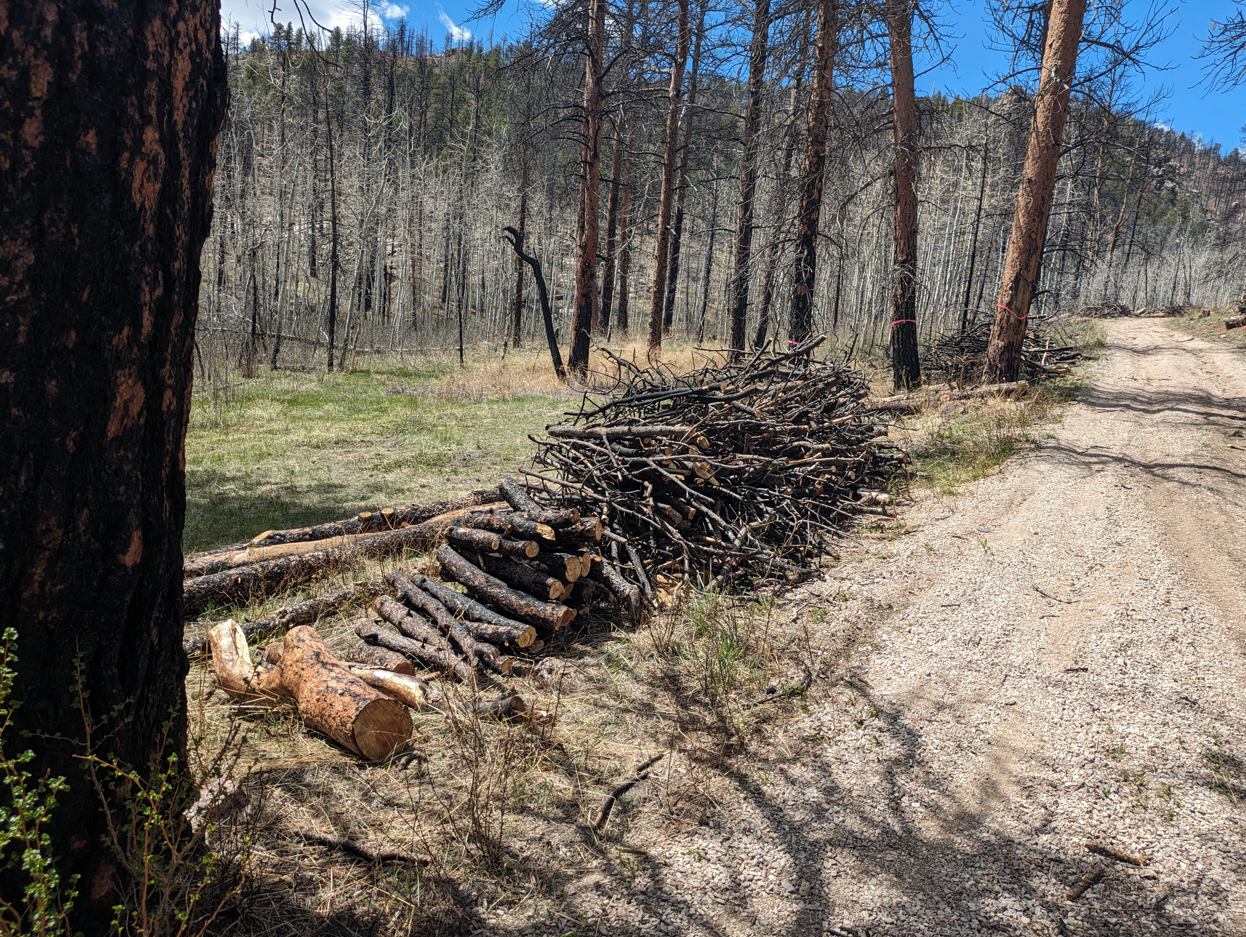 That question is at the heart of innovation in our forests. Want to see what that can look like in action? Watch #forestproud’s Fire-Forged Innovations to meet innovators like Earth Foundries, Pacific Biochar, and West BioFuels exploring new possibilities for forest materials and biochar.
You can also learn more about biochar and the work happening across the country through the American Biochar Institute and their online resource library, and the North American Biochar Conference happening this November.