
Wood Innovation Series Look-Back: 2025
In 2025, the Wood Innovation film series, supported by the USDA Forest Service Wood Innovations Program, highlighted how innovative uses of wood are strengthening forest management, supporting rural economies, and helping communities meet real-world needs. Through two short films and accompanying educational campaigns, the series explored how creating markets for low-value wood can benefit forests and the people who depend on them.
Fueling the Future: Bioenergy and Forest Resilience
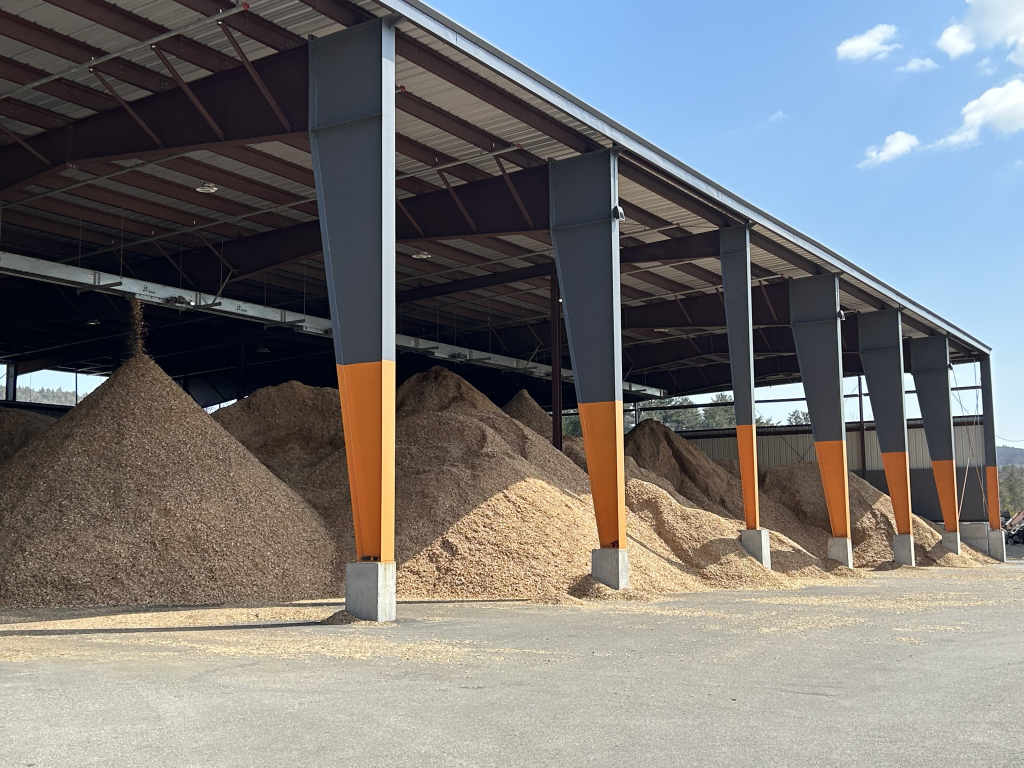
Our first film, Fueling the Future, explored the role of bioenergy across Vermont, New Hampshire, and Maryland. Forest management is costly, and in many parts of the East Coast there are limited markets for low-value wood, material that makes up the majority of a harvested tree.
Only about 30 percent of a tree becomes a traditional sawlog. The remaining 70 percent, tops, limbs, and smaller-diameter material, requires a viable market to support sustainable forest management. Wood energy helps fill that gap.
The film follows a tour of a bioenergy facility with Froling Energy, where key decision-makers were able to see wood energy systems in action. Vermont and New Hampshire have been national leaders in adopting wood energy solutions for more than two decades, building on a model long used in Europe but still emerging in the United States.
Fueling the Future also features local businesses, like Vermont Glove, using automated wood pellet boiler systems to heat their buildings. These systems have significantly offset energy costs while keeping energy dollars local, approximately 80 cents of every dollar spent stays within 30 miles of where the wood is sustainably sourced.
By providing a market for low-value wood, bioenergy supports healthier, more resilient forests while keeping communities economically strong and closely connected to the land that sustains them.
From Forests to Communities: Wood Products with Purpose
Our second film, From Forests to Communities, tells the story of how forests in Maine are continuing to care for their communities through innovative wood products.
The film highlights TimberHP, a local wood fiber insulation manufacturer using low-value wood, particularly softwood chips once destined for paper mills, to create a high-performance, renewable insulation product. These chips are refined, dried, and bonded into insulation that regulates moisture, allows buildings to breathe, and outperforms many traditional materials. The series also examined how wood fiber insulation is being applied in a real-world project.
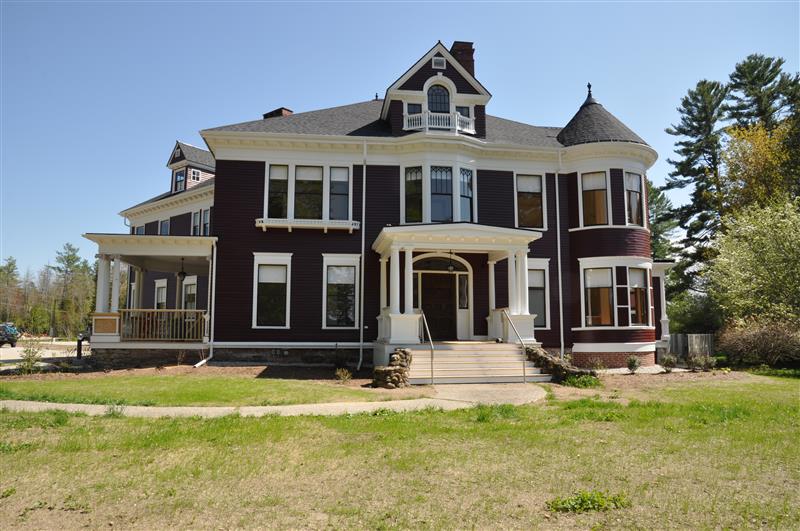
In partnership with the NorthernForest Center, a wood-first approach was used to rehabilitate the historic Gehring House. The project incorporated restored wood finishes, TimberHP’s wood fiber insulation, and automated wood pellet boilers to create much-needed housing for the local community.
Looking Ahead
As we reflect on the 2025 Wood Innovation Series, a clear theme emerges: when communities take care of their forests, forests can take care of their communities.
By supporting innovative wood products, creating markets for low-value wood, and strengthening local economies, these projects demonstrate how thoughtful forest stewardship contributes to resilient forests and thriving communities, today and for generations to come.