
Advice for Future Foresters
What advice would you give to someone interested in forestry?
For people interested in forestry, one of the biggest barriers is not knowing where to start, or even what careers exist. Without a personal connection to the field, forestry can feel hard to break into or easy to misunderstand.
But forestry is not a single job or career track. It’s a broad profession with opportunities across management, operations, research, technology, education, and more. The Forestry Foundation Scholars below share advice for anyone curious about forestry and looking for a way in.
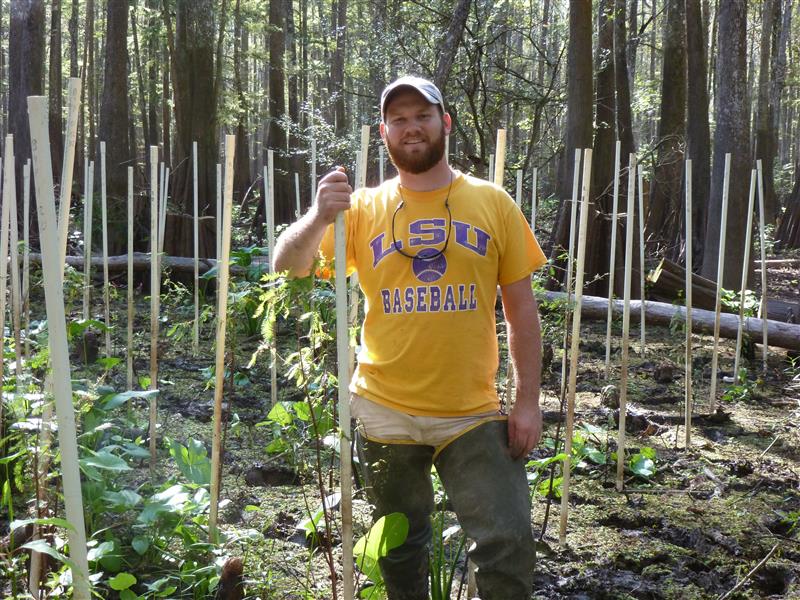
Marcus Rutherford, a forester with a family-owned land management company, encourages aspiring foresters to step outside their comfort zones:
“Don’t be afraid to move away. Don’t be afraid to pursue something that just sounds interesting to you. I grew up in a place where forestry wasn’t a big industry, so I went where the opportunities were.
You can always move back home but go see something different first. Whether it’s a job, an internship, or graduate school, don’t be afraid to pick up your life and try something new.”
His experience shows that taking risks and exploring opportunities can open doors you didn’t even know existed.
Kate Dimattia, a senior wood procurement buyer, reflects on the kind of people who make forestry so rewarding:
“If you’re drawn to forestry, there’s a reason for it. Let yourself enjoy it and follow that feeling. The people who stay in this field do it because they’re truly passionate about the work, and that’s not something you can say about every career.”
Dimattia’s insight reminds us that passion drives people in forestry, and it’s one of the things that makes the field so rewarding.
Joshua Adams, Program Chair of the forestry program at Louisiana Tech University, emphasizes the value of exploring the field widely:
“Talk to as many people in forestry as you can and learn about different career paths. There’s a misconception that forestry means becoming a park ranger, but the field is so much broader than that.
Do internships, shadow professionals, and find what you are passionate about. Forestry still requires soft skills. You have to talk to people, shake hands, and have real conversations.
It’s the greatest job you could ever hope to have.”
This perspective reflects a reality many students don’t discover until later: forestry combines science, management, and people skills in ways that surprise most newcomers. Exploring the field broadly can help you find the path that fits you best.
Wildfire Training Specialist Brian Sebastian highlights how forestry allows careers to evolve alongside personal interests:
“Go for it! Foresters are great generalists; you're not stuck in one specialty. For example, I have always been interested in aviation
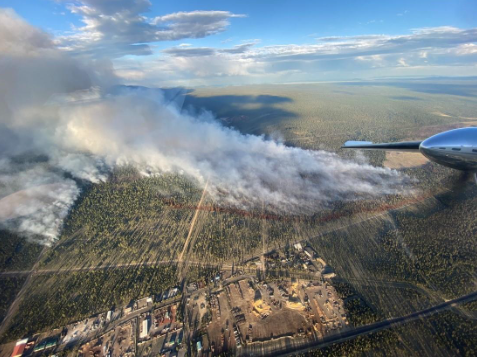 but never saw it as a career. It turns out there's a lot of forestry work that involves aviation and technology, which has let me explore new interests within forestry. A job or education in forestry will provide you with broad experience to make you more adaptable and marketable, but it can also be a new career for folks in a different industry wanting to use their skills for something new.
Also, don't neglect the human element of forest management, whatever that looks like for you. I pursued forestry thinking I would work with trees more than people, but there are a lot of stakeholders in our forests. I've since learned that I'm more effective when I collaborate with others, and there are some great people in this work.”
Sebastian’s experience highlights one of forestry’s greatest strengths: it can evolve alongside your interests, allowing you to explore new skills and opportunities while contributing to meaningful work.
Todd Martin, president and CEO of Southern Loggers Cooperative, sums up the mindset that can help foresters thrive:
“Forestry is a tough but very rewarding career. You have to know that it’s what you want to do, be willing to step out of your comfort zone, and stay open to different sectors of the industry. If you do that, you can move up and grow as far as you want.”
His perspective underscores that growth in forestry comes from staying curious, open, and willing to explore all the opportunities the field offers.
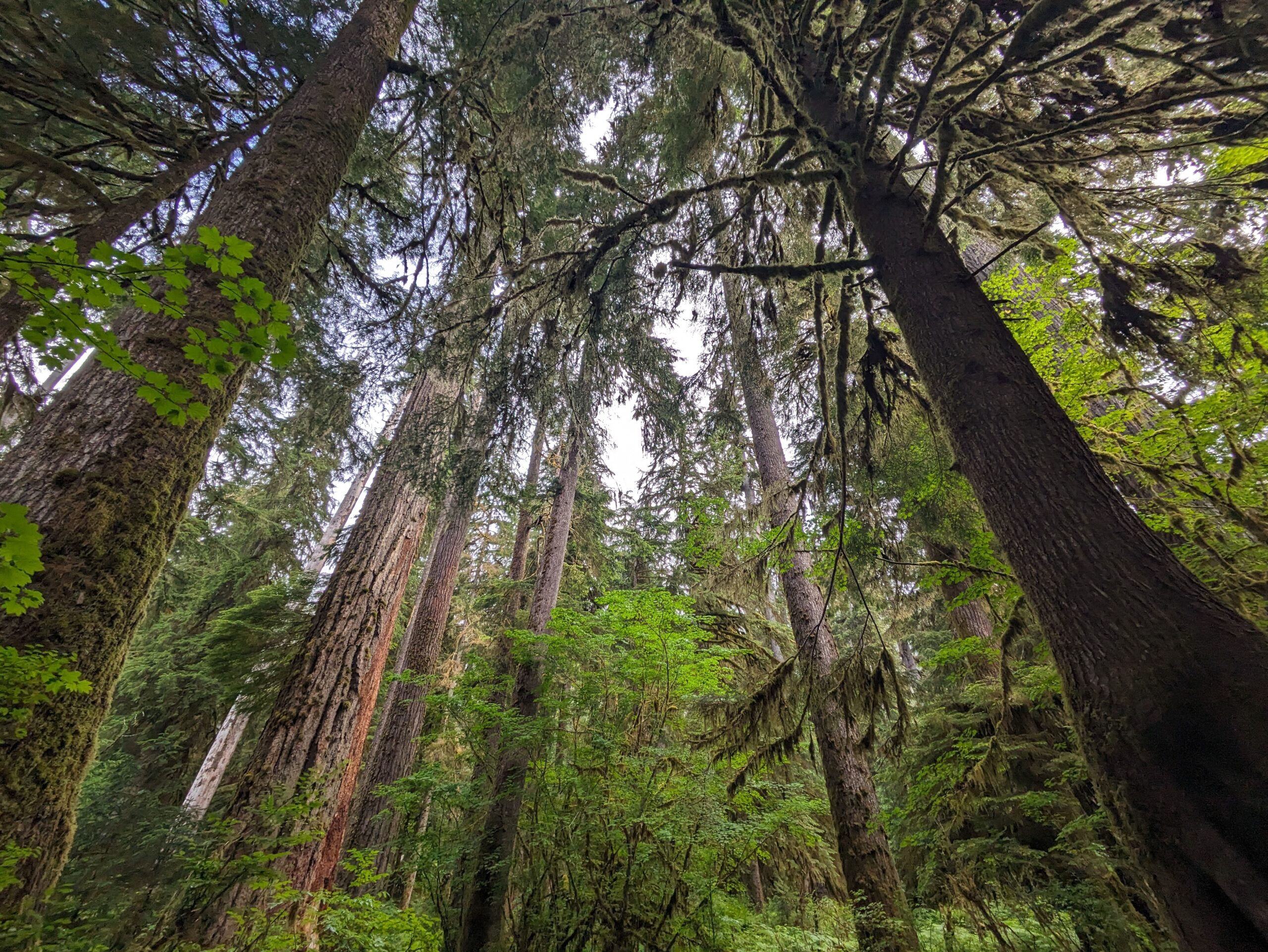
Forestry offers more than a single career path or job title. It’s a field shaped by people with different interests, skills, and backgrounds, whether they come from science, technology, operations, education, or entirely different industries.
The advice shared by these Forestry Foundation Scholars points to a common truth: there’s no single way to become a forester. The most important step is learning what’s possible, asking questions, and finding where your interests align with the work forests need today.
For students considering forestry, exploring different roles, talking with professionals, and gaining hands-on experience can help turn curiosity into a career. For those already in the field, sharing your story and opening doors for others can make a lasting difference.
In the next post, we’ll hear from scholars about what makes them #forestproud, and why this work continues to matter in their careers and communities.